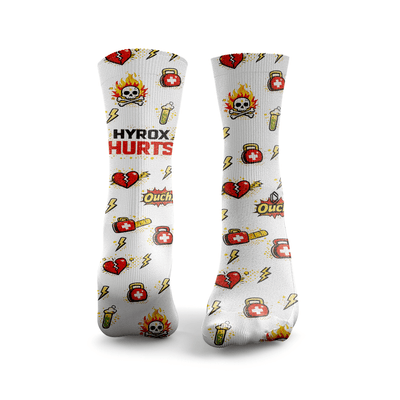
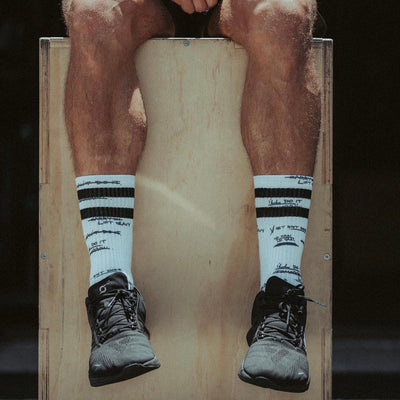
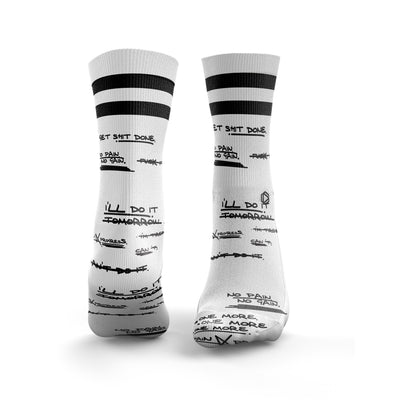
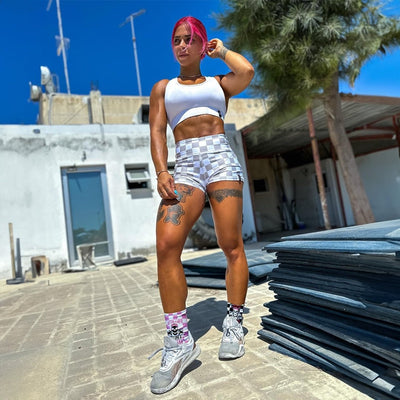
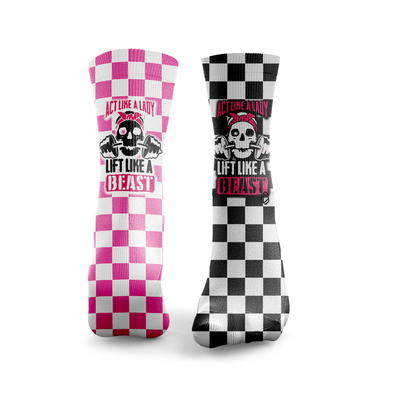
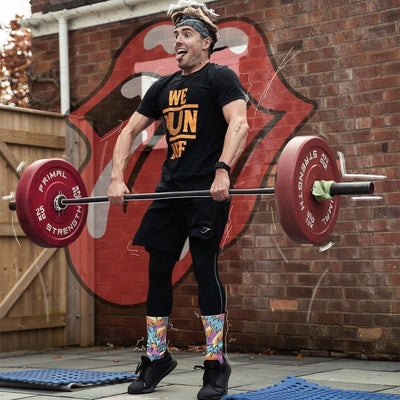
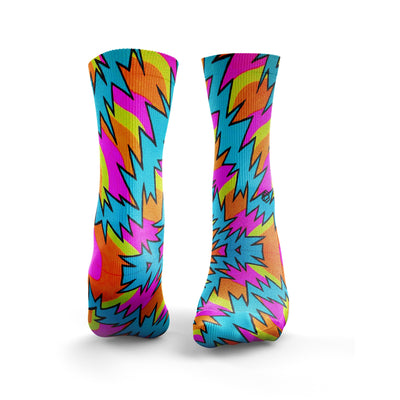
Booked your first class and now staring at your wardrobe wondering what to wear to CrossFit? You're not alone. It's one of the most common questions new members ask, and the good news is the answer is simpler (and cheaper) than social media makes it look. You don't need a full kit haul. You need clothes you can move in, shoes that keep you stable, and socks that stay put and look after your feet. This guide covers what to wear to CrossFit for your first class and beyond, head to toe, with a quick FAQ at the end. If you just want the feet sorted, have a look at our CrossFit socks collection.
One honest note before we start: every box is a bit different. Some have their own rules on footwear, chalk or kit, so if in doubt, ask your coach. They'd much rather answer a question than watch you squat in flip-flops.
Why what you wear to CrossFit matters
A typical CrossFit class can include running, jumping, lifting, gymnastics and something on a rower or bike, sometimes all in the same session. That variety is what makes it fun, but it also means your kit has to do a bit of everything. The main things to think about are:
- Freedom to move: you'll squat deep, reach overhead and get up and down off the floor a lot.
- Stability: lifting and jumping both feel better when your feet are planted and not sliding around.
- Protection: knees, shins and ankles take a few knocks from barbells, boxes and ropes.
- Comfort when you're sweaty: you will sweat. Kit that rubs or sags gets old fast.
Get those four right and you're sorted. Everything else is personal style.
What to wear to CrossFit: your first class
For your first session, keep it simple. Wear what you'd wear to any gym class, as long as it ticks these boxes:
- A comfortable training top or vest you can lift your arms in without flashing the whole class.
- Shorts or leggings you can squat in. Do the squat test at home: if they slide down or go see-through, swap them.
- Flat, stable trainers (more on shoes below).
- Crew-length sports socks. Trust us on this one.
- A water bottle and a small towel.
That's it. You don't need lifting shoes, wrist wraps, a belt or grips on day one. Most boxes have kit you can borrow, and your coach will help you work out what's actually worth buying once you know what you enjoy.
Tops: vests, tees and sports bras
Lightweight, sweat-friendly fabrics are your friend. Lots of people like a fitted tee or vest because loose tops can flip up over your head during handstands, burpees or anything upside down. Ready to take those handstands for a walk? Our guide on how to handstand walk has the drills and progressions. A supportive sports bra is a must for jumping and skipping. If your box is chilly in winter, wear a light layer for the warm-up and peel it off once things get going.
Bottoms: shorts or leggings?
Both work. It really comes down to preference:
Shorts
Great for staying cool and for gymnastics, where you want nothing bunching up. Look for shorts with a bit of stretch so deep squats and lunges don't turn into a battle.
Leggings
Leggings give your legs a little extra cover during rope climbs and barbell work. Choose a squat-proof pair with a waistband that stays up when you jump. High-waisted styles are popular for exactly that reason.
Shoes: flat and stable beats bouncy
Super-cushioned running shoes feel lovely on a long run, but they can feel wobbly under a barbell. For CrossFit, most people go for a flatter, more stable training shoe that can handle lifting, jumping and short runs. If you start getting serious about Olympic lifting, a pair of weightlifting shoes can come later, but they're not a beginner essential.
Whatever you choose, make sure they fit well with the socks you'll actually train in. A shoe that's perfect with thin socks can pinch with thicker, cushioned ones.
Socks: the bit everyone forgets (but shouldn't)
Yes, we're a sock brand, so we're biased. But socks genuinely matter in CrossFit more than in most gyms, and here's why.
Why crew socks are a CrossFit favourite
Walk into most boxes and you'll see a sea of crew-length socks. That's not just fashion. Higher socks give your shins and ankles a layer between your skin and the bar on deadlifts and cleans, the box edge on box jumps and the rope on rope climbs. Low socks or trainer liners leave that skin exposed. If you want the full debate, read how high should your gym socks be?, and if rope climbs are on your list, our guide to rope climb socks has you covered.
Cushioning and fit
Lots of jumping and landing means your feet take a beating. Look for socks with cushioning where you need it and a snug fit, so nothing bunches up in your shoe halfway through a workout. Socks that slide down or twist are a fast track to rubbing and hot spots.
Grip socks for lifting days
Some athletes like grip socks for heavy lifting and fast changes of direction because they help stop the foot sliding inside the shoe. They're optional rather than essential, but plenty of people love the locked-in feel. We break it down in weightlifting socks: when grip socks help (and when they don't).

Our picks: HEXXEE socks for CrossFit
Here are four pairs that cover pretty much every CrossFit class, from your very first session to PR day.
The classic: White HEXXEE Original Socks
If you want one pair that goes with everything, start here. The White HEXXEE Original Socks are, in their own words, "The original is always the best. Our classic logo socks in a crisp ice white." They're crew-length and have "built-in arch support with plush cloud-like cushioning at the ankle and forefoot to help absorb impact", which your feet will thank you for after a WOD full of box jumps and double-unders.
For neutral colour days: Camo Bundle
Not ready to go full rainbow on day one? The Camo Bundle is a three-pack (Camo, Camo 2.0 and Digital Camo) described as "the perfect pair of socks to go with any outfit, and PERFECT for those neutral colour days." Three pairs also means you've got a fresh pair for every class of a three-day week.
For grip: Grey Camo Pro Performance
If you want a locked-in feel for lifting, the Grey Camo Pro Performance socks are our HEXXEE 3.0 grip socks. They "feature a fully covered sole with a honeycomb grip design to ensure that all of the foot - Including your toes and heel is in contact with your shoe", and they give "instant feedback with greater control from the floor whether it be from power snatching to changing direction in field sports."
For heavy days: Send It Weightlifting Socks
When the programming says "heavy", these are the ones. The Send It Weightlifting Socks are calf-height and "offer extra cushioning and support to help you send it on the heaviest lifts. With extra traction on the sole and toe, you'll be able to stay more stable while lifting so you can stay focused on crushing your PRs." Calf-length socks also give your shins extra cover on deadlifts and cleans.
Want more options? Browse all our crew socks, our grip socks or the weightlifting socks collection. And if you've already got a favourite style, our guide to the best CrossFit socks by movement goes deeper.
Small extras worth having
None of these are must-haves for your first class, but they're useful once you're hooked:
- Hand care: CrossFit is tough on hands. A pumice stone or hand balm helps keep calluses under control. Grips can come later, once your coach has shown you how bar work feels without them.
- A hair tie or headband: anything that keeps hair out of your face when you're upside down.
- A spare pair of socks: sweaty socks after a workout are no fun. A fresh pair for the drive home is a small luxury.
What not to wear to CrossFit
- Very loose tops: they ride up when you're upside down and can catch on the bar.
- Thin trainer liners: fine for a treadmill, not great when a barbell is travelling up your shins.
- Brand-new kit on a big day: try new shoes and socks in a normal class first, not on competition day.
- Jewellery: rings and bracelets plus barbells, kettlebells and pull-up bars are not a good mix.
Looking after your CrossFit kit
Good kit lasts longer when you treat it well. Wash sweaty gear soon after training, skip the fabric-killing hot wash and let things dry properly before your next session. For socks specifically, our guide on how to wash grip socks and gym socks explains how to keep them fresh. If you're prone to hot spots, it's also worth reading how to stop blisters in CrossFit and HYROX.
What to wear to CrossFit: FAQ
What should I wear to my first CrossFit class?
Comfortable shorts or leggings you can squat in, a fitted top or vest, flat and stable trainers, and crew-length sports socks. Bring water and a towel. You don't need specialist kit on day one.
Can I wear running shoes to CrossFit?
You can, especially at first. Many people find very cushioned running shoes feel unstable when lifting, so a flatter training shoe is usually the better long-term choice.
Why do CrossFitters wear long socks?
Crew and calf-length socks give your shins and ankles a layer of cover against barbells, boxes and ropes. Plus, they're a great way to show a bit of personality.
Do I need grip socks for CrossFit?
No, they're optional. Some athletes like them for lifting and quick changes of direction because they help stop the foot sliding inside the shoe. Try a pair and see how you get on.
So, what to wear to CrossFit? Keep it simple, keep it comfortable and look after your feet. Grab a pair (or three) from our CrossFit socks collection, turn up, say hello and enjoy the burn. See you at the whiteboard.